High-Intensity Cardio for Aging Joints: A Comprehensive Guide
As we age, staying active remains crucial for maintaining health and vitality. However, high-impact exercises can strain aging joints, leading to discomfort or injury. Fortunately, there are low-impact, high-intensity cardio options that protect joints while offering excellent cardiovascular and muscular benefits. This guide explores the benefits of rucking, rowing machines, and assault bikes, and provides sample workout plans for each.
1. Rucking
What is Rucking?
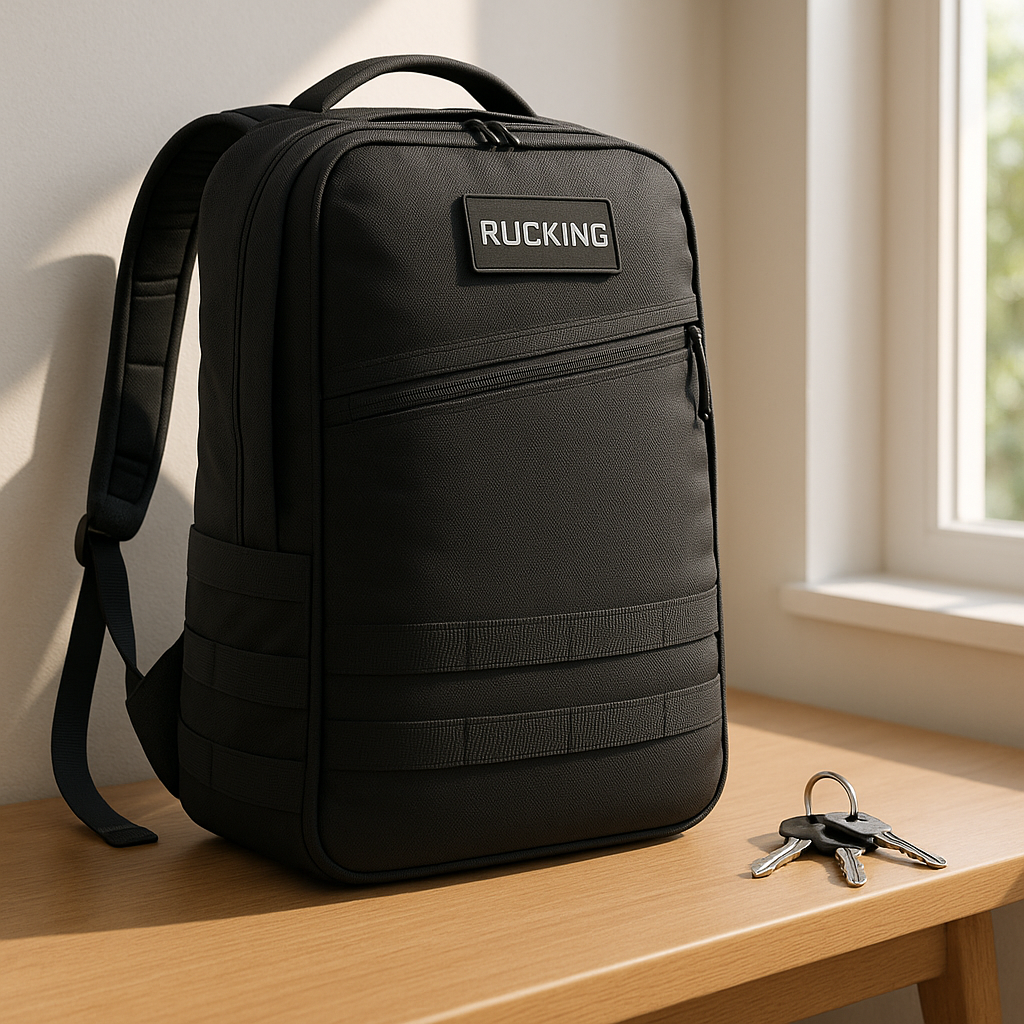
Rucking involves walking or hiking with a weighted backpack. Originally a military training exercise, rucking combines cardio and strength training by increasing the load on your body as you move.
Benefits of Rucking
- Low Impact: Walking is a joint-friendly activity, and the added weight enhances workout intensity without the stress of high-impact exercises.
- Strengthens Muscles: The additional weight boosts muscle engagement in the legs, back, shoulders, and core.
- Improves Bone Density: Carrying weight increases bone strength over time, benefiting bone health.
- Cardiovascular Endurance: Elevates heart rate effectively, especially on varied terrain.
Sample Rucking Workout Plan
Beginner (30 minutes)
- Warm-Up (5 minutes): Light walking without a pack.
- Main Session (20 minutes): Walk with a 10-pound backpack on flat terrain.
- Cool Down (5 minutes): Stretches focusing on legs, shoulders, and back.
Intermediate (45 minutes)
- Warm-Up (5 minutes): Dynamic stretches and light walking.
- Main Session (30 minutes): Brisk walk or hike with a 20-pound backpack over mixed terrain.
- Cool Down (10 minutes): Stretch and hydrate, focusing on deep breathing.
Advanced (60 minutes)
- Warm-Up (10 minutes): Dynamic stretches and bodyweight exercises (e.g., lunges, shoulder circles).
- Main Session (40 minutes): Intense hike with a 30-pound backpack; include hills if possible.
- Cool Down (10 minutes): Comprehensive stretching and foam rolling.
2. Rowing Machines
What is Rowing?
Rowing machines simulate the action of rowing a boat, providing a full-body workout. These machines offer resistance that can be adjusted to match fitness levels, making rowing a versatile exercise option.
Benefits of Rowing
- Joint-Friendly: The smooth, gliding motion reduces impact on knees and hips.
- Full-Body Engagement: Targets multiple muscle groups, including legs, core, back, and arms.
- Cardiovascular Health: Promotes heart and lung efficiency.
- Burns Calories: Provides an effective calorie-burning workout.
Sample Rowing Workout Plan
Beginner (20 minutes)
- Warm-Up (5 minutes): Gentle rowing at low resistance.
- Main Session (10 minutes): Alternate 1-minute higher intensity rows with 1-minute rest.
- Cool Down (5 minutes): Slow-paced rowing and stretching.
Intermediate (30 minutes)
- Warm-Up (5 minutes): Moderate pace rowing with mobility stretches.
- Main Session (20 minutes): Pyramid intervals – 1 min hard, 1 min easy, 2 mins hard, 1 min easy, 3 mins hard, 1 min easy, then reverse.
- Cool Down (5 minutes): Low-intensity rowing and cool-down stretches.
Advanced (45 minutes)
- Warm-Up (10 minutes): Steady rowing, gradually increasing intensity.
- Main Session (30 minutes): 5 rounds of 4 mins at high intensity, 2 mins rest.
- Cool Down (5 minutes): Gentle rowing and yoga-inspired stretching.
3. Assault Bikes
What is an Assault Bike?
The Assault Bike combines pedaling with arm movements using handlebars, offering a robust cardiovascular workout. Unlike traditional stationary bikes, assault bikes adjust resistance based on user input, automatically increasing effort as you push harder.
Benefits of Assault Bikes
- Synovial Joint Mobility: Encourages joint lubrication through low-impact pedal motion.
- Whole-Body Workout: Engages both upper and lower body simultaneously.
- Improved Conditioning: Develops cardiovascular and muscular endurance.
- Variable Intensity: Resistance adapts to effort, allowing for precise intensity control.
Sample Assault Bike Workout Plan
Beginner (15 minutes)
- Warm-Up (5 minutes): Light pedaling at an easy pace.
- Main Session (5 minutes): 30 seconds of hard pedaling, 30 seconds easy; repeat.
- Cool Down (5 minutes): Slow pedaling and focused breathing.
Intermediate (25 minutes)
- Warm-Up (5 minutes): Moderate pace with arm mobility exercises.
- Main Session (15 minutes): 20 seconds all-out, 40 seconds recovery; aim for 10 rounds.
- Cool Down (5 minutes): Reduced pace cycling and stretching.
Advanced (40 minutes)
- Warm-Up (10 minutes): Alternating between arms-only and legs-only pedaling.
- Main Session (25 minutes): Tabata protocol (20 seconds on, 10 seconds off) for 8 rounds, with 3-minute recovery cycles in between.
- Cool Down (5 minutes): Easy pedaling, progressive stretching.
General Tips for Protecting Aging Joints
- Warm-Up and Cool Down Properly: Begin with dynamic stretches and end with static stretches to maintain flexibility and reduce injury risk.
- Monitor Intensity: Use perceived exertion or heart rate monitors to ensure you’re working effectively without overexerting.
- Stay Hydrated: Proper hydration supports joint health and overall performance.
- Listen to Your Body: Discomfort might signal the need for adjustment in technique, weight, or intensity.
- Consult a Professional: If new to exercise, consider professional guidance to ensure correct form and prevent injury.
Incorporating these joint-friendly cardio exercises into your regimen can help maintain fitness without unnecessary joint stress. Whether it’s through rucking, rowing, or assault biking, these activities offer diverse benefits allowing you to stay active, healthy, and strong as you age.