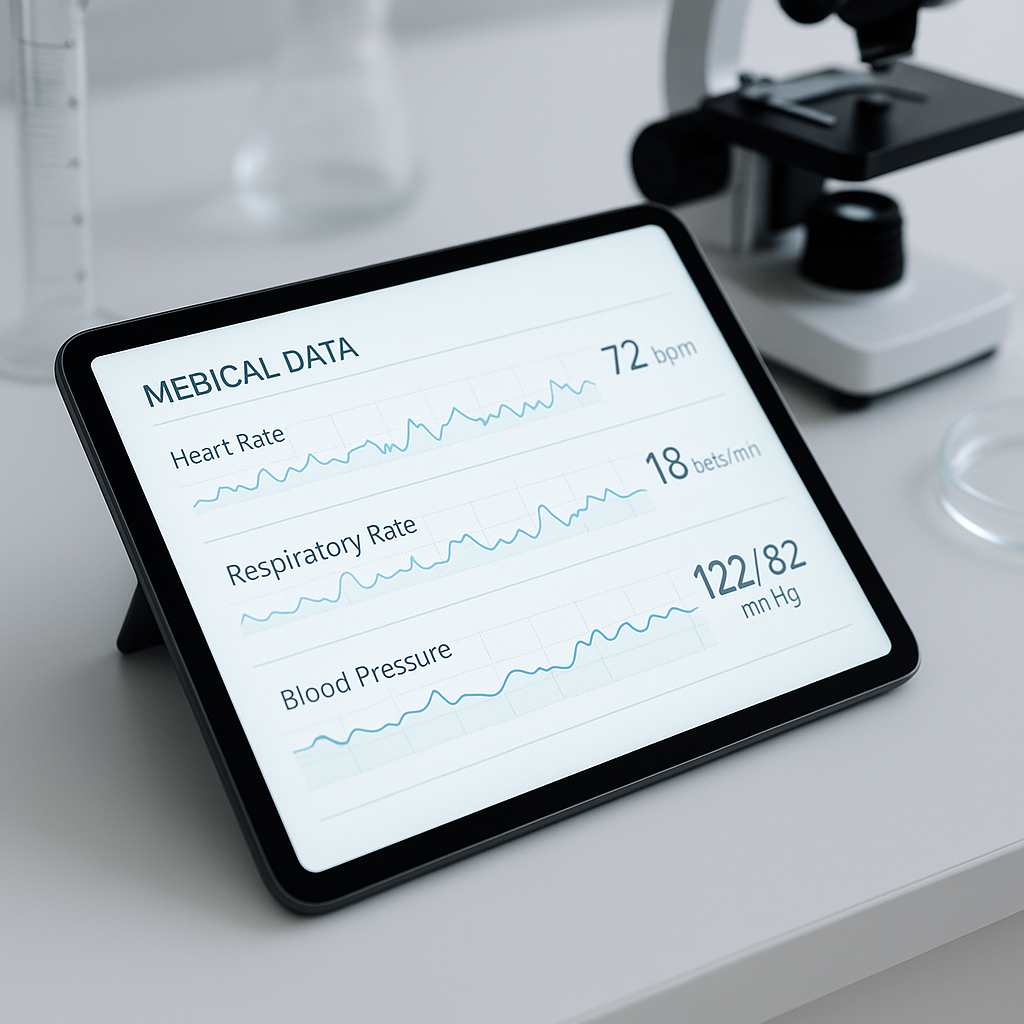
Metabolic Health Guide: Reversing Insulin Resistance After 40
In today’s fast-paced world, maintaining metabolic health has become a pressing concern, especially as we age. Years of poor sleep and high intake of processed carbohydrates can lead to insulin resistance, a condition prevalent among those over 40. This guide offers an in-depth look at how these factors contribute to metabolic dysfunction and provides a comprehensive roadmap to reversing prediabetes effectively.
Understanding Insulin Resistance
What is Insulin Resistance?
Insulin resistance occurs when the body’s cells become less responsive to insulin, a hormone that helps regulate blood sugar levels. As a result, the pancreas secretes more insulin to maintain normal blood sugar levels, which can eventually lead to type 2 diabetes.
Role of Insulin in Metabolism
Insulin facilitates the uptake of glucose into cells, providing energy for bodily functions. When cells resist insulin, glucose remains in the bloodstream, leading to elevated blood sugar levels—a hallmark of diabetes.
Contributors to Insulin Resistance
1. Poor Sleep
Impact on Hormones
Lack of adequate sleep disrupts the balance of hormones that regulate hunger and metabolism, such as ghrelin, leptin, and cortisol. This disruption can lead to increased appetite and cravings for unhealthy foods.
Sleep Deprivation and Stress
Chronic sleep deprivation elevates stress levels, which further exacerbates insulin resistance. High cortisol levels from stress promote gluconeogenesis and insulin release, creating a vicious cycle of elevated blood sugar levels.
2. Processed Carbohydrates
Glycemic Load
Processed carbohydrates, such as white bread, pastries, and sugary snacks, have a high glycemic index, causing rapid spikes in blood sugar. Frequent consumption can overwhelm the body’s insulin response, leading to gradual insulin resistance.
Nutrient Deficiency
These foods are often low in fiber, essential nutrients, and healthy fats, which are crucial for maintaining balanced blood sugar levels and overall health.
The Turning Point: After 40
As we age, the metabolic processes naturally slow down. Muscle mass decreases, and fat accumulation can increase, making the body more prone to insulin resistance. Combined with poor lifestyle choices earlier in life, individuals over 40 often see a significant rise in insulin resistance and the onset of prediabetes.
Lifestyle Roadmap to Reverse Prediabetes
1. Prioritize Sleep Hygiene
Establish a Sleep Routine
- Consistency: Go to bed and wake up at the same time every day, even on weekends.
- Sleep Environment: Create a dark, quiet, and cool sleeping environment to improve sleep quality.
Relaxation Techniques
Incorporate relaxation practices such as meditation, deep breathing exercises, or yoga to reduce stress and promote better sleep.
2. Dietary Modifications
Reduce Processed Carbs
Eliminate or significantly reduce processed and refined carbohydrates. Opt for whole grains such as brown rice, quinoa, and whole wheat.
Increase Fiber Intake
Incorporate more fruits, vegetables, legumes, and nuts to ensure adequate fiber intake, which slows digestion and stabilizes blood sugar levels.
Healthy Fats and Proteins
Choose sources of healthy fats such as avocados, olive oil, and fatty fish, and lean proteins like chicken, turkey, and plant-based options.
3. Regular Physical Activity
Strength Training
Building muscle mass through strength training exercises can enhance insulin sensitivity and glucose metabolism.
Cardio Exercises
Incorporate aerobic exercises such as walking, jogging, or cycling to improve cardiovascular health and aid in weight management.
4. Mindful Eating
Practice Portion Control
Being mindful of portion sizes can prevent overeating and help maintain a healthy weight.
Slow Eating
Eat slowly and savor each bite to improve digestion and allow time for the body to signal satiety.
5. Monitor Health Metrics
Regular Check-ups
Schedule regular appointments with your healthcare provider to monitor blood sugar levels and other metabolic health indicators.
Home Monitoring
Use glucometers to track blood sugar levels and adjust your lifestyle habits accordingly.
6. Stress Management
Identify Stressors
Recognize and address sources of stress in your life. Seek professional help if needed.
Engage in Relaxation Activities
Regularly engage in activities that promote relaxation and stress reduction, such as hobbies or spending time in nature.
7. Hydration
Maintain adequate hydration, as dehydration can negatively affect insulin sensitivity. Opt for water, herbal teas, and limit sugary beverages.
8. Limit Alcohol and Quit Smoking
Alcohol can interfere with blood sugar regulation. Limit consumption and quit smoking to improve both metabolic and overall health.
Conclusion
The journey to reversing insulin resistance and improving metabolic health after 40 requires a holistic approach. By prioritizing quality sleep, reducing processed carbohydrate intake, engaging in regular physical activity, and managing stress effectively, you can significantly lower prediabetes numbers. Remember, consistency is key, and small, sustainable changes can lead to profound improvements in insulin sensitivity and overall well-being.
Taking control of your metabolic health is not just about adding years to your life but adding life to your years.