Urological Health Guide: Understanding Calcium Oxalate Crystals and Dehydration
Calcium oxalate crystals are a common cause of kidney stones, a condition that affects many individuals worldwide. Chronic dehydration significantly contributes to their formation, making it crucial to stay hydrated and make informed lifestyle choices. This guide will explore the formation of these crystals, how to track daily fluid intake, dietary triggers to avoid, and the beneficial role of citrate.
Understanding Calcium Oxalate Crystals
Formation and Risk Factors
Calcium oxalate crystals form when there is an excess of calcium and oxalate in the urine. Chronic dehydration leads to concentrated urine, increasing the likelihood of crystal formation. Such conditions allow calcium and oxalate to combine and form stones, especially when urine volume is insufficient to dilute these minerals. Other risk factors include:
- High Oxalate Intake: Found in foods such as spinach, rhubarb, and nuts.
- High Calcium Intake: Especially when paired with high oxalate levels.
- Low Citrate Levels: Citrate helps prevent stone formation by binding with calcium.
Tracking Daily Fluid Intake
Staying adequately hydrated is fundamental in preventing the formation of calcium oxalate crystals. The goal is to ensure urine remains dilute, which can be achieved by maintaining a proper fluid intake.
Daily Fluid Tracking Blueprint
-
Calculate Your Needs:
- Aim for at least 2.5 to 3 liters of fluid per day, but this amount may vary based on activity level, climate, and individual health.
- Divide your weight (in pounds) by 2 to get the minimum ounces of water needed daily.
-
Morning Routine:
- Start your day with a glass (250 ml) of water to rehydrate after sleep.
- Add lemon juice, which is rich in citrate, to enhance the benefits.
-
Throughout the Day:
- Carry a refillable water bottle to encourage regular sipping.
- Set reminders every hour to drink a glass of water (about 250 ml).
-
During Meals:
- Drink a glass of water with each meal, which not only aids hydration but also digestion.
-
Activity Adjustment:
- Increase your intake during physical activities by at least an additional 500 ml per hour of activity.
-
Evening Routine:
- Have a glass of water before bedtime but be mindful of intake to avoid disrupting sleep for bathroom trips.
Monitoring Hydration
- Check Urine Color: Light, straw-colored urine typically indicates adequate hydration.
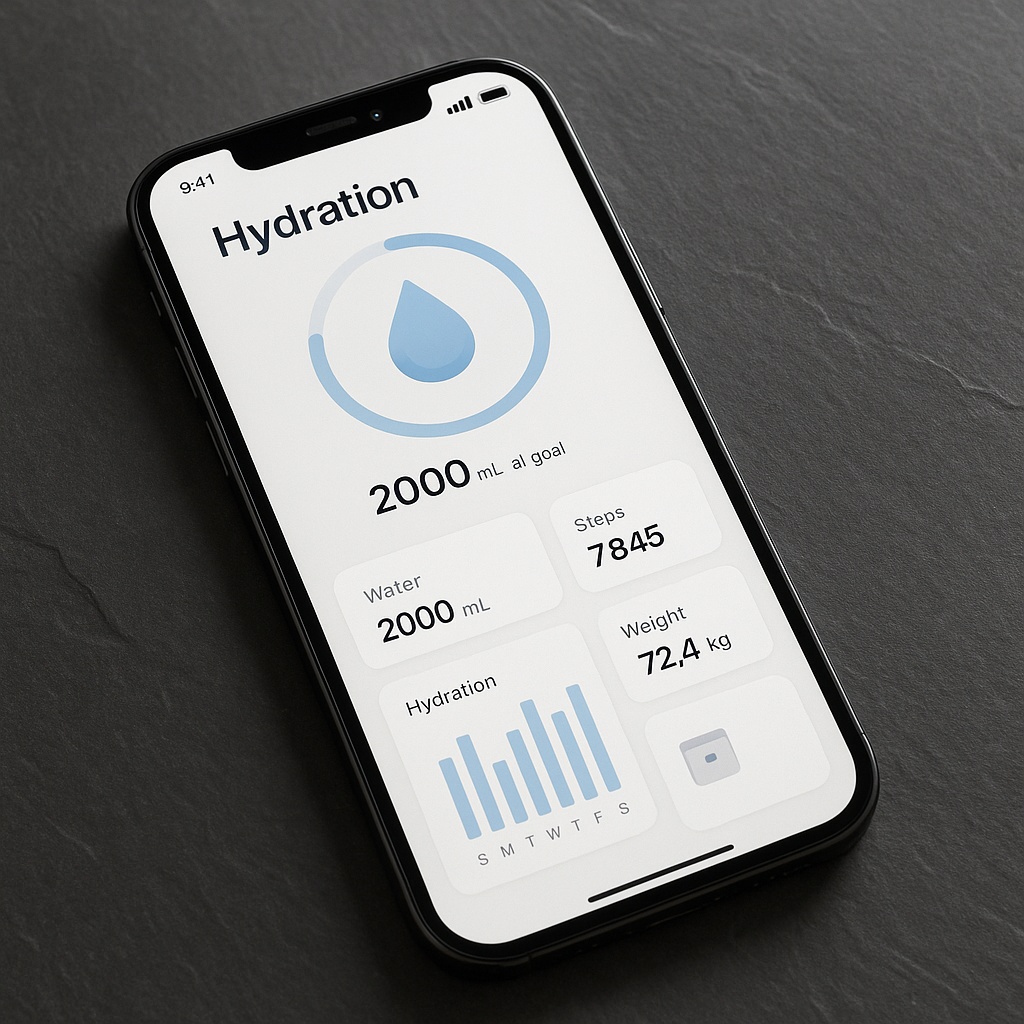
- Daily Logging: Use a smartphone app or a journal to log daily fluid intake.
Dietary Triggers to Avoid
While hydration is crucial, dietary choices also play a significant role in preventing the formation of calcium oxalate stones.
High-Oxalate Foods
Avoid or limit intake of high-oxalate foods, especially when consumed in large quantities or in the absence of calcium, which helps bind oxalate in the gut:
- Nuts and Seeds: Almonds, cashews
- Vegetables: Spinach, beet greens, rhubarb
- Fruits: Berries, figs
- Grains: Bran cereals
Calcium Balance
Contrary to intuition, calcium isn’t to be entirely avoided. Proper calcium intake can actually reduce stone risk by binding oxalate in the intestines. Aim for dietary calcium sources instead of supplements:
- Dairy Products: Milk, yogurt, cheese
- Calcium-fortified Foods: Orange juice, cereals
Sodium and Protein
- Reduce Sodium: High sodium intake can increase calcium excretion in urine. Limit processed foods and salty snacks.
- Moderate Animal Protein: Red meat and shellfish should be consumed in moderation, as excess can increase uric acid and calcium in urine.
The Role of Citrate
Citrate is a key player in preventing stone formation. It binds with calcium, reducing the availability of calcium to form crystals.
Increasing Citrate Levels
- Citrus Fruits: Include lemons, limes, and oranges in your diet. Lemon water is a simple way to increase citrate intake.
- Vegetables: Consume citrate-rich vegetables like cucumbers and melons.
- Medical Advice: For those prone to stones, doctors may prescribe potassium citrate supplements.
Conclusion
Preventing the formation of calcium oxalate crystals involves a multifaceted approach focusing on hydration, diet, and citrate intake. Through careful monitoring of your daily fluid intake, making informed dietary choices, and understanding the role of citrate, you can effectively reduce your risk of kidney stones. Remember that consistency is key: routine adjustments in your daily habits can lead to significant improvements in urological health.
Stay informed, stay hydrated, and consult healthcare providers for personalized advice tailored to your individual needs.