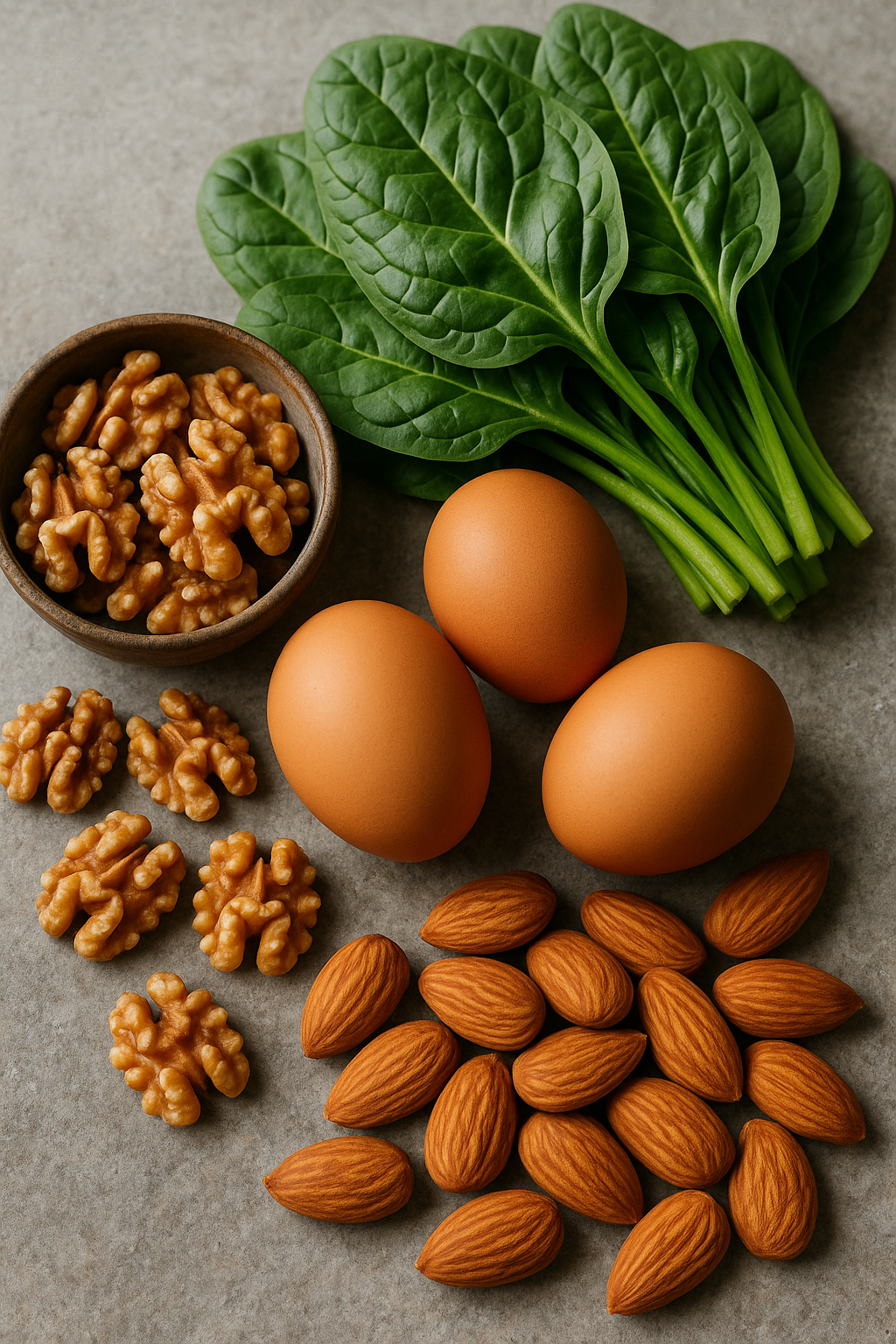
Nutritional Guide: Optimizing Protein Intake for Aging Bodies
As we age, our bodies undergo various physiological changes that can impact our nutritional needs. One significant concern is amino acid resistance, which affects how efficiently our bodies use protein. This guide will help you understand amino acid resistance in aging, calculate your optimal daily protein intake, and learn how to distribute protein across meals to maximize muscle protein synthesis.
Understanding Amino Acid Resistance
What is Amino Acid Resistance?
Amino acid resistance refers to the reduced ability of aging muscles to respond to amino acids—particularly leucine—an essential amino acid crucial for muscle protein synthesis. As we age, our muscles gradually become less responsive to the anabolic stimuli provided by dietary protein. This can lead to sarcopenia, the age-related loss of muscle mass and function, if not addressed by dietary and lifestyle adjustments.
Why Does Amino Acid Resistance Occur?
-
Hormonal Changes: Aging often leads to decreased production of hormones like growth hormone and testosterone, which support muscle growth.
-
Inflammation: Chronic inflammation, more common in older adults, can interfere with protein metabolism and muscle health.
-
Insulin Resistance: As insulin plays a role in muscle protein synthesis, insulin resistance, prevalent in older populations, can contribute to amino acid resistance.
-
Mitochondrial Dysfunction: Impaired mitochondria lead to less efficient energy conversion, which can hinder muscle health.
Calculating Your Optimal Protein Intake
Determining your daily protein target involves considering factors like body weight, activity level, and muscle health goals. A general guideline to optimize muscle maintenance and growth is to aim for a range of 0.6 to 0.8 grams of protein per pound of body weight.
Steps to Calculate Your Protein Target
-
Weigh Yourself: Use your most accurate and recent measurement.
-
Choose a Multiplier:
- Sedentary lifestyle: 0.6 grams per pound.
- Moderately active: 0.7 grams per pound.
- Very active: 0.8 grams per pound.
-
Calculate: Multiply your body weight (in pounds) by your chosen multiplier.
Example Calculation
For a moderately active individual weighing 150 pounds:
- 150 pounds x 0.7 grams/pound = 105 grams of protein per day.
Distributing Protein Across Meals
Efficient protein distribution throughout the day can help maximize muscle protein synthesis and combat amino acid resistance.
Why Is Distribution Important?
-
Muscle Protein Synthesis (MPS): Spreading protein intake across meals stimulates MPS more effectively than consuming most protein in one sitting.
-
Leucine Threshold: Each meal should reach a leucine threshold to trigger MPS. Aim for about 2.5 grams of leucine per meal, which is typically achieved with 25-30 grams of high-quality protein.
-
Prevention of Muscle Breakdown: Regular protein intake throughout the day helps reduce muscle protein breakdown, maintaining muscle mass.
How to Distribute Protein Effectively
-
Balanced Meals: Divide your total protein intake evenly among 3-4 meals.
-
Protein Sources: Incorporate diverse, high-quality protein sources like lean meats, dairy, legumes, and plant-based options.
-
Leucine Content: Focus on foods high in leucine, such as chicken, whey protein, eggs, and certain legumes.
Sample Meal Plan
-
Breakfast: 30 grams of protein
- 3 eggs (18g)
- Greek yogurt (12g)
-
Lunch: 30 grams of protein
- Grilled chicken breast (25g)
- Quinoa salad (5g)
-
Snack: 20 grams of protein
- Protein smoothie with whey (20g)
-
Dinner: 30 grams of protein
- Baked salmon (25g)
- Lentils (5g)
-
Evening Snack (optional): 10-15 grams of protein
- Cottage cheese (10g)
Tips for Ensuring Adequate Protein Intake
-
Supplement Wisely: Consider protein supplements like whey or plant-based powders if you struggle to meet your protein needs through food alone.
-
Pre-Plan Meals: A structured meal plan ensures consistent and adequate protein intake.
-
Stay Hydrated: Adequate hydration supports overall health and digestion, which is crucial for nutrient absorption.
-
Consult a Professional: If unsure about your dietary needs, consulting with a registered dietitian can provide personalized guidance.
Conclusion
Aging can bring challenges like amino acid resistance, but with thoughtful dietary strategies, it is possible to maintain muscle health and overall well-being. Calculating your optimal protein intake, distributing it strategically across meals, and choosing high-quality protein sources are key strategies in managing aging’s impact on your body.
Remember, maintaining an active lifestyle alongside proper nutrition amplifies these effects, fostering not only a healthier body but also an enriched quality of life as you age.