High-Intensity Cardio Alternatives for Aging Knees and Lower Backs
As we age, maintaining cardiovascular fitness becomes crucial, but joint health, particularly in the knees and lower back, can become a primary concern. High-impact exercises often exacerbate these issues, leading many to seek alternatives that offer high-intensity cardio benefits without the joint stress. This guide explores three effective alternatives: rucking, rowing machines, and zone 2 swimming, and provides sample weekly schedules to incorporate these activities into your fitness routine.
Rucking: A Low-Impact Powerhouse
What is Rucking?
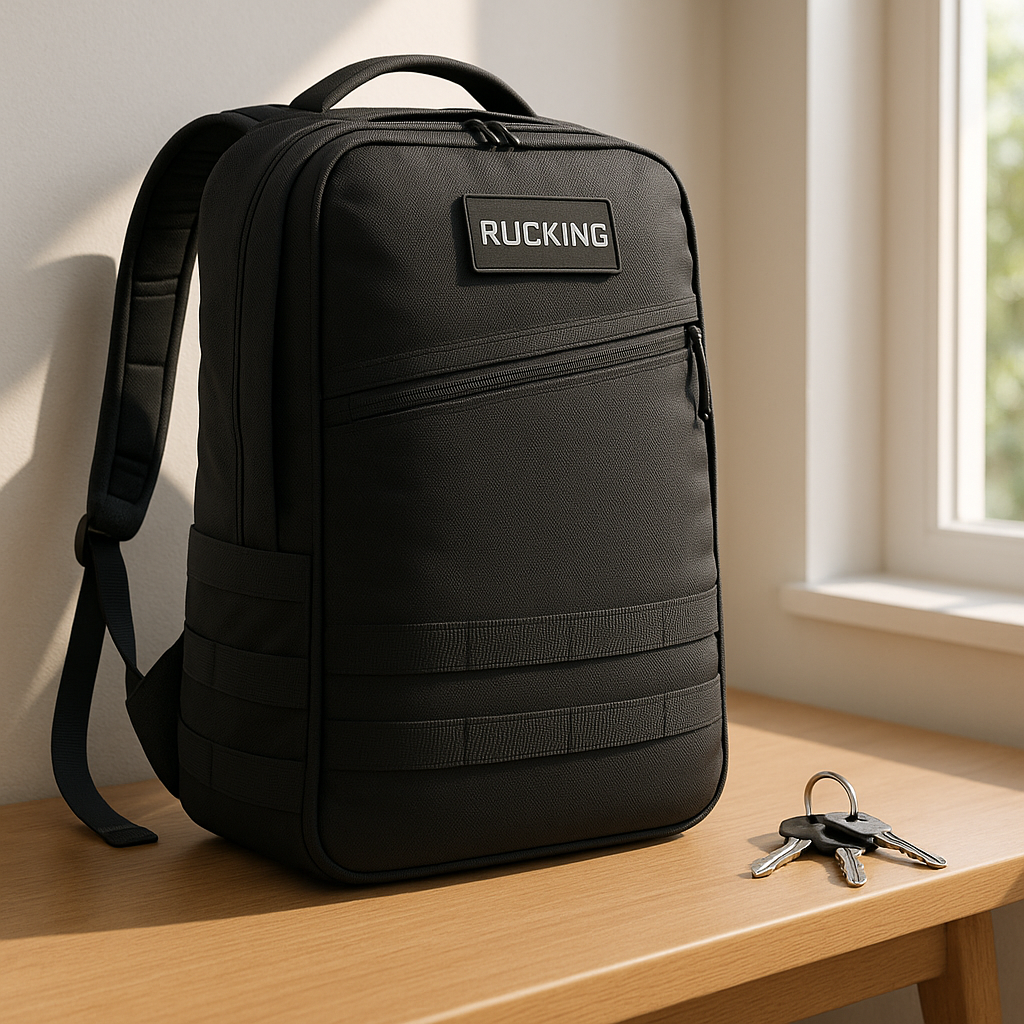
Rucking involves walking with a weighted backpack (rucksack). It’s a military-born exercise that adds resistance to your walks, elevating heart rates and building strength without intense impact on the knees or back.
Benefits of Rucking
- Joint-Friendly: The added weight increases intensity while maintaining the low-impact nature of walking.
- Bone Density and Muscle Strength: The additional resistance promotes bone health and muscle growth.
- Versatility: You can vary the weight and terrain to adjust intensity.
Getting Started with Rucking
- Choose the Right Backpack: Use a sturdy backpack with wide straps and a hip belt for even weight distribution.
- Weight Selection: Start with 5-10% of your body weight and gradually increase as you build strength.
- Proper Posture: Keep your chest up and shoulders back to minimize strain.
Sample Weekly Rucking Schedule
Monday:
- 30 minutes of brisk rucking on flat terrain
Wednesday:
- 40 minutes of rucking with slight inclines
Friday:
- 45 minutes of interval rucking: alternate 5 minutes fast pace with 5 minutes easy pace
Rowing Machines: Full-Body Cardiovascular Exercise
What is Rowing?
Rowing machines simulate the action of rowing a boat, offering a full-body workout that strengthens muscles and improves cardiovascular health without joint strain.
Benefits of Rowing
- Low Impact: The smooth, repetitive motion keeps stress off the knees and lower back.
- Total Body Workout: Engages major muscle groups including legs, core, and arms.
- Scalable Intensity: Easily adjust resistance levels or speed.
Getting Started with Rowing
- Adjust the Machine: Set the damper and foot straps to fit your level and comfort.
- Form Focus: Push with your legs, then lean back slightly, and finally pull with arms.
- Consistent Rhythm: Aim for a steady pace to ensure efficiency and safety.
Sample Weekly Rowing Schedule
Tuesday:
- 20-minute steady-state rowing at a moderate pace
Thursday:
- Interval rowing: 10x (1 minute high intensity, 1 minute rest)
Saturday:
- 30-minute endurance row: aim for a consistent stroke rate
Zone 2 Swimming: Heart Health and Joint Care
What is Zone 2 Swimming?
Zone 2 refers to a heart rate zone that is moderate in intensity, perfect for building aerobic capacity while being gentle on joints. Swimming inherently provides resistance and buoyancy, reducing joint impact.
Benefits of Zone 2 Swimming
- Joint-Friendly: The buoyancy of water reduces stress on joints.
- Improves Cardiovascular Health: Maintains heart rate in a beneficial zone.
- Enhances Flexibility and Mobility: Water resistance aids in muscle toning and joint flexibility.
Getting Started with Zone 2 Swimming
- Heart Rate Monitoring: Aim for 60-70% of your maximum heart rate. Waterproof monitors can help.
- Variety of Strokes: Different strokes engage different muscles. Mix them up.
- Consistent Breathing: Practice steady and controlled breathing techniques.
Sample Weekly Swimming Schedule
Monday:
- 30-minute steady swim, alternating strokes every 5 minutes
Wednesday:
- Interval swim: 10x (2 minutes intense, 2 minutes rest)
Friday:
- 40-minute continuous swim focusing on technique and breath control
Tips for a Safe and Effective Routine
-
Consult with Professionals: Before starting any new exercise regimen, it’s wise to consult with a healthcare provider, especially if you have pre-existing conditions.
-
Warm-Up and Cool-Down: Always incorporate a 5-10 minutes warm-up and cool-down to prepare your body and aid recovery.
-
Listen to Your Body: Pay attention to any signs of discomfort or pain. Adjust intensity or consult a professional if needed.
-
Stay Consistent: Consistency is key to seeing improvements in fitness while protecting joint health.
-
Hydrate and Nourish: Maintain hydration and a balanced diet to support overall health and recovery.
Conclusion
For those with aging knees and lower backs, maintaining cardiovascular fitness doesn’t have to involve high-impact exercises that can cause more harm than good. By incorporating activities like rucking, rowing, and zone 2 swimming, you can enjoy a comprehensive workout routine that safeguards your joints while enhancing your fitness. Utilize the sample schedules provided to kickstart a routine that’s both effective and gentle, paving the way for a healthier lifestyle.