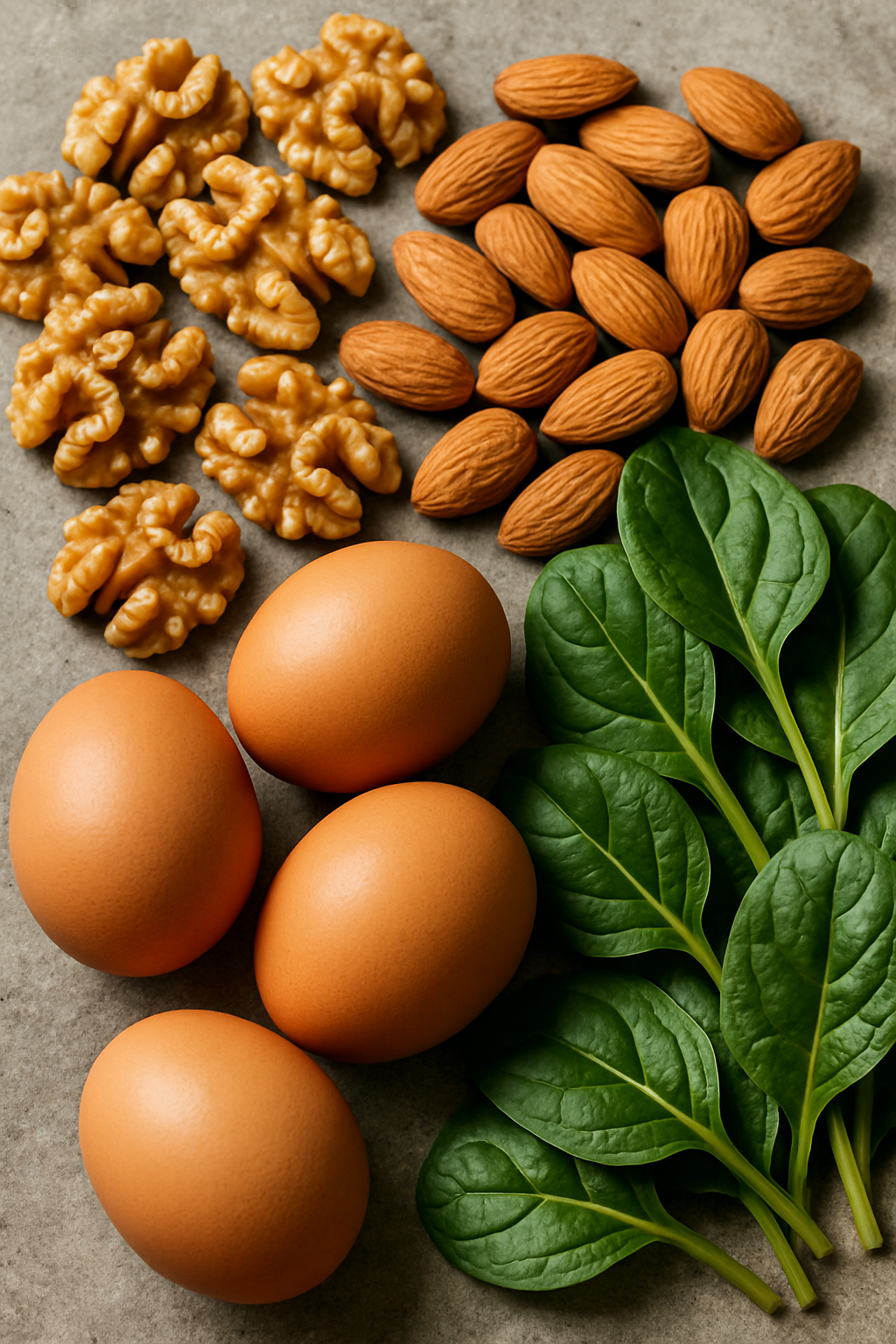
Optimizing Macro-Nutrient Density for Lean Tissue Preservation
Embarking on a fat-loss journey while preserving lean tissue requires a strategic approach to nutrition. This guide will help you optimize your macro-nutrient intake, choose the right whole foods, and use protein wisely to maintain muscle mass.
Understanding Macro-Nutrients
Macro-nutrients (macros) are nutrients required in large amounts that provide calories and energy. They include:
- Proteins: Essential for muscle repair and growth. They are made up of amino acids, crucial for building tissue.
- Carbohydrates: Provide energy for physical activities.
- Fats: Necessary for hormone production and overall health.
The Importance of Protein
When focusing on fat loss, protein becomes even more critical. It helps:
- Preserve lean muscle mass
- Reduce hunger through increased satiety
- Boost metabolism due to a higher thermic effect (calories burned during digestion)
Optimizing Macro-Nutrient Density
Macro-nutrient density refers to the number of essential nutrients (particularly proteins) per calorie of food. Foods with high protein per calorie ratios will help you maintain muscle during reduced-calorie phases.
Selecting Whole Foods for Maximal Protein per Calorie
Whole foods are minimally processed and retain all necessary nutrients. Here’s how to select those that maximize your protein intake:
Best Whole Foods for Protein Density
-
Lean Meats: Chicken breast, turkey, lean cuts of beef (e.g., sirloin) offer high protein without excess calories.
-
Fish and Seafood: Tuna, salmon, and shrimp are excellent, providing proteins and beneficial omega-3 fatty acids.
-
Eggs: Whole eggs are nutritious, but using egg whites can increase protein without additional fats.
-
Dairy: Low-fat yogurt, cottage cheese, and Greek yogurt offer high protein with fewer calories compared to full-fat options.
-
Plant-Based Proteins: Lentils, chickpeas, and quinoa are protein-rich, along with being excellent sources of fiber.
-
Tofu and Tempeh: These soy-based foods are perfect for vegetarians and vegans, providing ample protein.
Calculating Protein per Calorie
To determine the protein density:
- Check the nutritional label for grams of protein and total calories.
- Divide the grams of protein by total calories to find the protein per calorie ratio.
For example:
A piece of chicken with 30g of protein and 165 calories has a ratio of 0.18 (30/165).
High Protein per Calorie Foods
- Chicken Breast: Approximately 0.22-0.25 grams of protein per calorie.
- Lean Fish (e.g., Cod): Around 0.23 grams of protein per calorie.
- Egg Whites: About 0.21 grams of protein per calorie.
- Non-Fat Greek Yogurt: Around 0.15-0.17 grams of protein per calorie.
- Tofu: Approximately 0.10-0.12 grams of protein per calorie.
Structuring Your Diet
Creating Meal Plans
To maximize protein while managing calorie intake, create meals that include:
- A lean protein source (chicken, fish, tofu)
- A variety of vegetables (to increase volume and nutrient intake without many calories)
- Whole grains (like quinoa or brown rice) in moderation for energy
Sample Meal Plan
Breakfast:
- Egg white omelette with spinach and tomatoes
- A side of non-fat Greek yogurt with a few berries
Lunch:
- Grilled chicken breast with a large mixed salad (spinach, cucumbers, bell peppers) and a light vinaigrette
- Quinoa (half a cup) for added carbs and protein
Dinner:
- Baked salmon with steamed broccoli and asparagus
- Lentil soup as a starter
Snacks:
- Cottage cheese with sliced almonds
- Sliced turkey breast rolls with bell pepper sticks
Timing Your Protein Intake
Distribute protein evenly throughout your meals to optimize muscle protein synthesis. Aim for around 20-30 grams of protein per meal.
Preserving Lean Tissue During Fat-Loss Blocks
Importance of Strength Training
Continue or incorporate resistance training to signal muscle maintenance while in a calorie deficit.
Monitoring Progress
Track your intake using apps to ensure you meet your protein and calorie goals. Adjust if too much muscle is being lost during weight checks.
Hydration and Recovery
Stay well-hydrated and prioritize sleep to support recovery and overall health.
Conclusion
By focusing on macro-nutrient density, prioritizing high-protein whole foods, and maintaining a balanced diet with regular strength training, you can preserve lean tissue during fat-loss blocks. This approach not only supports weight loss but also contributes to overall health and wellness, setting the stage for long-term success. Prioritize protein, monitor your progress, and adjust your plan as needed to ensure optimal results.