Understanding the Role of Triglycerides in Cardiometabolic Health
As we age, our risk for cardiovascular disease naturally increases, bringing attention to the various factors that contribute to heart health. Triglycerides, often overshadowed by cholesterol, have emerged as a significant independent risk factor for heart disease, particularly past the age of 40. This article delves into why managing triglyceride levels is crucial, the underlying connections to insulin resistance, the impact of carbohydrate consumption, and how to interpret advanced lipid panels for a clearer picture of your heart health.
What Are Triglycerides?
Triglycerides are a type of fat found in your blood. After you eat, your body converts calories it doesn’t need into triglycerides, stored in fat cells. Later, hormones release triglycerides for energy between meals. While essential for energy, excessive levels can be harmful.
Triglycerides and Heart Disease
Elevated triglyceride levels are a crucial marker for cardiovascular risk, irrespective of cholesterol levels. They contribute to the development of atherosclerosis – the narrowing and hardening of arteries – increasing the risk of heart attacks and strokes. Research indicates that triglycerides influence not only heart disease but also pancreatitis and fatty liver disease.
The Age Factor: Why Focus After 40?
After 40, metabolic changes and lifestyle factors often lead to increased body fat and decreased muscle mass, which can influence triglyceride levels. Hormonal changes, such as reduced estrogen in women and testosterone in men, also play a role in altering lipid metabolism, making it vital to monitor and manage triglycerides particularly through midlife and beyond.
Insulin Resistance and Triglycerides
A key player in the triglyceride-heart disease connection is insulin resistance. Insulin, a hormone produced by the pancreas, helps regulate blood sugar levels. Insulin resistance occurs when cells don’t respond well to insulin, causing blood sugar and insulin levels to rise.
The Vicious Cycle
- Insulin resistance leads to higher levels of insulin in the bloodstream.
- This promotes the liver’s conversion of excess sugar into triglycerides.
- Elevated triglycerides further exacerbate insulin resistance, creating a vicious cycle.
- Over time, this cycle contributes to the development of type 2 diabetes and cardiovascular disease.
Carbohydrate Intake: The Connection
Carbohydrates significantly impact triglyceride levels, especially simple carbs and sugars. When consumed in excess, these carbs are converted to triglycerides. Diets high in refined carbohydrates and sugars – prevalent in processed foods, sugary drinks, and sweets – can drastically elevate triglyceride levels. Therefore, a diet focused on complex carbohydrates and fiber is recommended to maintain healthy triglyceride levels.
Dietary Recommendations
- Reduce Sugar: Limit added sugars and avoid sugary drinks.
- Choose Whole Grains: Opt for whole grains over refined grains.
- Increase Fiber: Incorporate fruits, vegetables, and legumes.
- Healthy Fats: Use healthy fats like omega-3 fatty acids, found in fish, which can lower triglycerides.
Interpreting an Advanced Lipid Panel
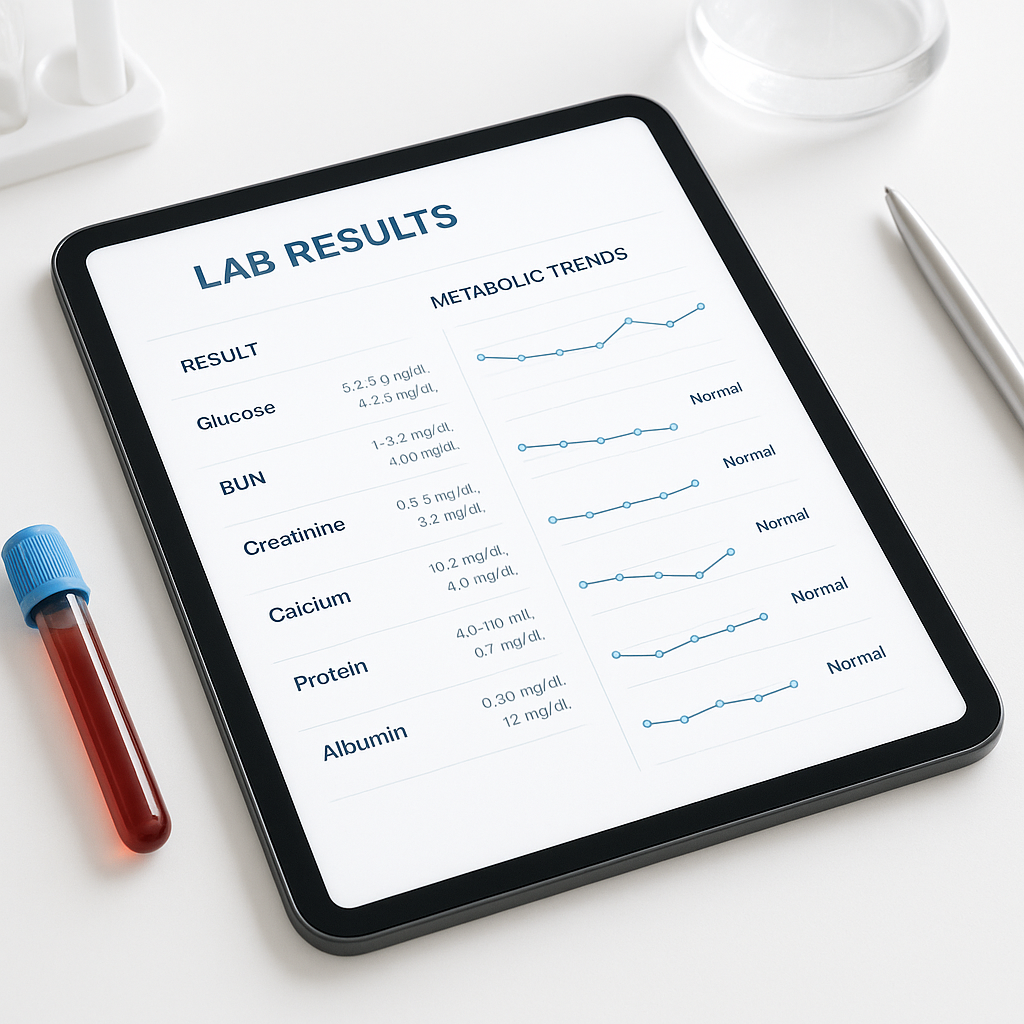
While standard lipid panels provide useful information, they can lack detailed data on triglycerides’ impact and heart disease risk. Advanced lipid panels offer a more comprehensive view.
Key Components Explained
- Triglyceride Levels: Normal levels are less than 150 mg/dL. Levels above this indicate risk.
- Lipoprotein Particle Size and Density: Small dense LDL particles, often high in elevated triglyceride states, are more atherogenic.
- Apolipoproteins: ApoB levels can indicate the number of atherogenic lipoproteins.
- Lipid Ratios: Ratios like triglycerides/HDL-C can better predict risk.
Advanced panels can indicate whether standard cholesterol levels are deceivingly “normal” due to high triglycerides disguising the true lipid picture.
Strategies for Managing Triglyceride Levels
Managing triglyceride levels is multifaceted, involving lifestyle modifications and sometimes medications.
Lifestyle Changes
- Dietary Adjustments: Follow the Mediterranean diet rich in fruits, vegetables, whole grains, and healthy fats.
- Regular Exercise: Aim for at least 150 minutes of moderate aerobic activity or 75 minutes of vigorous activity weekly.
- Weight Management: Losing even a small amount of weight can significantly lower triglycerides.
- Limit Alcohol: Excessive alcohol intake can increase triglycerides.
Medical Interventions
In some cases, lifestyle changes alone may not suffice, and medical intervention might be necessary. Doctors may prescribe:
- Fibrates: Effective at lowering triglycerides.
- Omega-3 Fatty Acids: High-dose supplements can be beneficial.
- Statins: While targeting cholesterol, they can also modestly lower triglycerides.
- Niacin: Reduces both triglycerides and LDL cholesterol.
Conclusion
Understanding and managing triglycerides is crucial for heart health, particularly after age 40. By recognizing the connection between triglycerides, insulin resistance, and carbohydrate intake, individuals can take meaningful steps towards better cardiovascular health. Advanced lipid panels offer deeper insight, enabling personalized treatment plans. Through a combination of lifestyle changes and medical interventions, individuals can effectively manage triglyceride levels and reduce their risk of heart disease, ensuring a healthier, more resilient life as they age.