Optimizing Ergonomics and Addressing Muscular Imbalances from Prolonged Sitting
Prolonged sitting has become a common aspect of modern life, especially for those who work at desks. While it may seem harmless, extended periods of sitting can lead to muscular imbalances and postural issues that affect overall health and well-being. Key problems such as “dead glute syndrome” and rounded shoulders often arise. This article explores these concerns and provides a 3-step active desk optimization setup to mitigate the adverse effects of prolonged sitting.
Muscular Imbalances from Prolonged Sitting
Prolonged sitting can lead to specific muscular imbalances due to continuous inactivity and poor posture. Two significant problems that often develop are:
1. Dead Glute Syndrome
Causes: Also known as gluteal amnesia, dead glute syndrome occurs when the gluteal muscles (the large muscles in your buttocks) become inactive or underutilized. This is often due to extended periods of sitting, which can cause the hip flexors to become tight and the glutes to become weak.
Effects: This imbalance may lead to back pain, decreased mobility, and increased risk of injury. It can also contribute to a chain reaction of compensatory patterns, affecting the lower back and legs, potentially leading to knee and ankle issues.
2. Rounded Shoulders
Causes: Rounded shoulders are a result of sitting with poor posture, where the shoulders roll forward due to tight pectoral muscles and weakened upper back muscles. This imbalance is commonly caused by working at a computer for long hours without proper ergonomic support.
Effects: This position can lead to upper back and neck pain, headaches, and decreased shoulder mobility. It affects overall posture and can exacerbate stress on the cervical spine.
3-Step Active Desk Optimization Setup
To counteract these imbalances and foster a healthier posture, consider the following desk optimization steps:
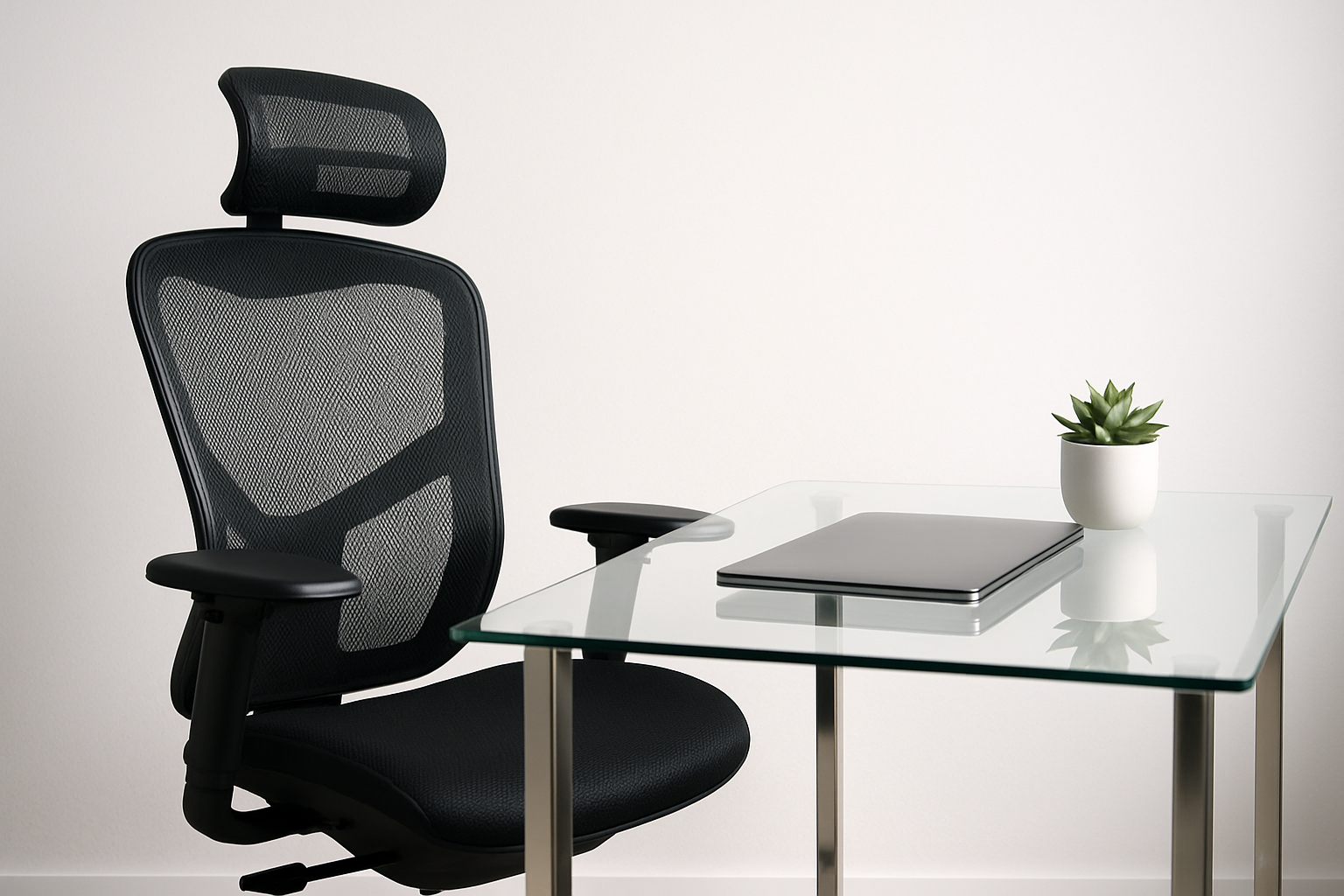
Step 1: Ergonomic Desk Setup
Proper Chair Height: Ensure your chair allows your feet to rest flat on the floor with your knees at a 90-degree angle. Your hips should be slightly above your knees to encourage natural spinal alignment.
Desk and Monitor Position: Position your desk so that the top of your monitor is at or slightly below eye level. Your screen should be about an arm’s length away to prevent eye strain and encourage a neutral head position. Use a monitor riser if necessary.
Keyboard and Mouse Placement: Keep your keyboard and mouse close enough so that your elbows are at a 90-degree angle. Wrists should be straight and not angled upwards, promoting wrist and shoulder relaxation.
Step 2: Incorporate Movement
Regular Breaks: Aim to stand up and move for at least 5 minutes every hour. Short, frequent breaks contribute to better circulation and help prevent stiffness.
Dynamic Stretching: Incorporate stretches targeting the hip flexors, glutes, chest, and upper back. Examples include:
- Hip Flexor Stretch: Kneel on one knee and push your hips forward slightly until a gentle stretch is felt in the front of the hip.
- Glute Bridge: Lie on your back with knees bent and feet flat. Lift your hips toward the ceiling, squeezing your glutes at the top of the movement.
- Chest Opener: Stand with your feet shoulder-width apart. Clasp your hands behind your back and gently lift them, opening your chest.
- Thoracic Extension: Sit upright and place your hands behind your head. Gently arch your back, looking upwards.
Step 3: Strengthening Exercises
Glute Activation: Incorporate exercises that focus on strengthening the gluteal muscles:
- Clamshells: Lie on your side with knees bent. Keep your feet together while lifting the top knee. This targets the gluteus medius.
- Squats: Focus on proper form, ensuring your knees do not go past your toes. Engage your glutes as you rise.
Upper Back Strengthening: Strengthen the muscles that help counteract rounded shoulders:
- Reverse Fly: Hold light weights with your palms facing each other, bend slightly forward at the hips, and lift your arms to the sides.
- Rowing: Use resistance bands or weights to mimic a rowing motion, focusing on squeezing the shoulder blades together.
Implementing a Holistic Approach
Achieving a balanced posture and reducing the risk of pain from prolonged sitting involves both ergonomic adjustments and regular movement. Beyond the active desk setup, consider these holistic strategies:
Mind-Body Awareness
Being mindful of your posture throughout the day can significantly impact your spinal health. Regularly check in with your body to notice any habitual slumping or tension. Mindfulness practices, such as deep breathing and meditation, can aid in maintaining awareness and reducing stress, which often contributes to muscular tension.
Professional Guidance
For individuals experiencing significant pain or mobility issues, consulting a physical therapist or ergonomic specialist can offer personalized advice and therapeutic exercises tailored to individual needs. These professionals can identify specific muscular imbalances and provide targeted interventions.
Technological Aids
Consider using apps or devices designed to promote better posture and movement. Tools such as posture-correcting wearables that vibrate when slouching is detected can support conscious adjustments throughout the day. Additionally, desk bike pedals or under-desk ellipticals encourage subtle yet effective movements.
Conclusion
Prolonged sitting can lead to significant muscular imbalances like dead glute syndrome and rounded shoulders. These issues not only cause discomfort but can also lead to chronic pain and decreased functional mobility. By embracing ergonomic solutions, incorporating regular movement, and engaging in targeted strengthening exercises, individuals can mitigate the adverse effects of extended sitting periods.
Implementing the 3-step active desk optimization setup—focusing on proper ergonomic adjustments, regular movement, and specific strengthening exercises—can be a powerful strategy in maintaining a healthy posture. Coupled with a holistic approach that includes mindfulness and professional guidance, it is possible to create a work environment that supports physical health and overall well-being.
Adapting to these changes may take time and conscious effort, but the benefits of improved posture, reduced pain, and enhanced physical function are well worth the investment.