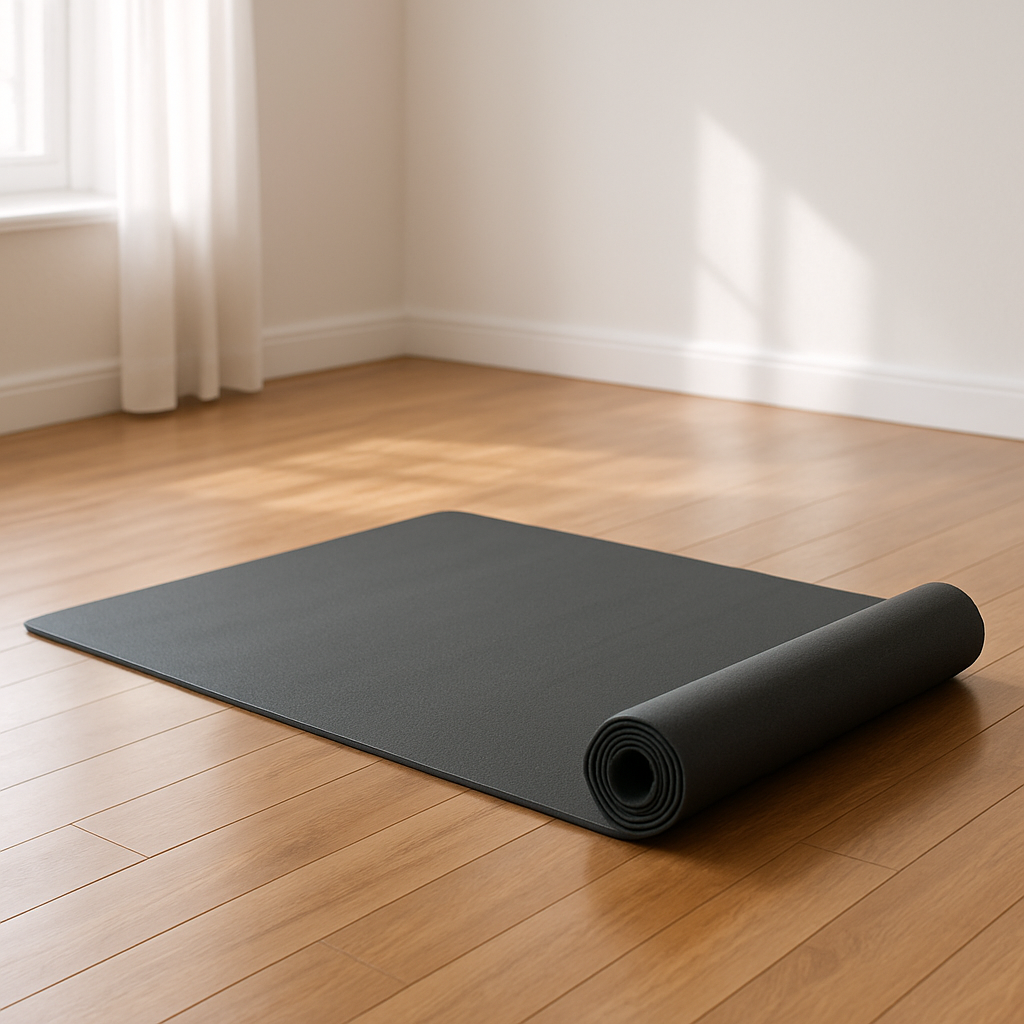
A Simple Daily Stretching and Mobility Circuit for Strong Glutes, a Healthy Spine, and Open Hip Flexors
In today’s sedentary world, prolonged sitting is an all-too-common contributor to muscle imbalances and discomfort. This can lead to inactive glutes, tight hip flexors, and a compressed lumbar spine. Here, we’ll explore a simple, zero-equipment daily stretching and mobility routine designed to counter these issues, enhancing posture, preventing injury, and boosting functional fitness.
Understanding the Importance
Glute Activation: Strong glutes stabilize the pelvis, support the spine, and power lower body movements. Inactive glutes can contribute to lower back discomfort, making activation crucial.
Lumbar Decompression: Prolonged sitting compresses the spine, leading to lower back pain. Gentle decompression restores space between vertebrae, alleviating pressure and discomfort.
Opening Hip Flexors: Tight hip flexors, often caused by sitting, pull the pelvis forward, contributing to an imbalance that stresses the lower back. Stretching and opening these muscles is vital for restoring balance.
The Circuit Overview
This circuit consists of six exercises, aimed at activating the glutes, decompressing the spine, and stretching the hip flexors. Perform this circuit once daily for maximum benefit. Each exercise should be completed slowly and mindfully, focusing on form and breath.
Exercise 1: Glute Bridges
Purpose: Activate the glutes and strengthen the posterior chain.
-
Lie on Your Back: Position yourself on the floor with knees bent and feet flat, hip-width apart.
-
Lift Your Hips: Press through your heels to lift your hips toward the ceiling. Engage your glutes at the top of the movement.
-
Hold and Lower: Hold for 3-5 seconds, then slowly lower your hips back down. Repeat for 10-12 reps.
Tip: Focus on engaging your glutes rather than pushing through your lower back.
Exercise 2: Cat-Cow Stretch
Purpose: Decompress the lumbar spine and improve spinal flexibility.
-
Start in Tabletop: Position yourself on your hands and knees, with hands under shoulders and knees under hips.
-
Cat Pose: Exhale and round your spine toward the ceiling, tucking your chin to your chest.
-
Cow Pose: Inhale and arch your back, lifting your head and tailbone.
-
Flow: Move slowly between Cat and Cow, focusing on articulating each vertebra. Continue for 1-2 minutes.
Tip: Synchronize your movement with your breath for maximum benefit.
Exercise 3: Hip Flexor Stretch
Purpose: Stretch and lengthen tight hip flexors.
-
Lunge Position: Step your right foot forward into a deep lunge, keeping your left knee on the ground.
-
Align and Stretch: Ensure your right knee is over your ankle. Push your hips forward gently, feeling a stretch in the left hip flexor.
-
Hold: Maintain the position for 30-60 seconds, then switch sides.
Tip: Keep your chest lifted and core engaged to avoid overarching your lower back.
Exercise 4: Supine Twist
Purpose: Release tension in the lower back and increase spinal mobility.
-
Lie on Your Back: Extend your arms to the sides in a T-shape.
-
Twist: Bend your right knee and cross it over your body to the left side, letting it rest on the ground if possible.
-
Relax: Turn your gaze to the right and hold for 30-60 seconds. Repeat on the other side.
Tip: Use your breath to deepen the stretch, exhaling as you relax into the twist.
Exercise 5: Downward Dog
Purpose: Stretch the entire posterior chain and open the shoulders.
-
Start on All Fours: Transition to a plank position, then lift your hips up and back.
-
Form an Inverted V: Keep your arms and legs straight, pressing your heels toward the ground.
-
Breathe and Hold: Stay for 1-2 minutes, pedaling your heels for added calf stretch.
Tip: Focus on lengthening your spine and pushing away from the ground through your hands.
Exercise 6: Fire Hydrants
Purpose: Strengthen and activate the glute medius, improving hip stability.
-
Start in Tabletop: On all fours, lift your right leg to the side, keeping your knee bent at 90 degrees.
-
Control: Lift and lower with control for 10-12 reps, maintaining alignment in your hips and core.
-
Switch Sides: Repeat on the left side.
Tip: Avoid rotating your hips; focus on isolating the glute medius.
Tips for Success
Consistency is Key: Perform this circuit daily to reap the full benefits. Consistency leads to improved flexibility, strength, and posture.
Mindful Breathing: Breath is a powerful tool in mobility work. Focus on inhaling through the nose, filling your belly, and exhaling through the mouth to relax deeper into each stretch.
Listen to Your Body: Embrace your current level of flexibility and strength. Push to the edge of your comfort zone but avoid pain.
Progressive Challenge: As you become more comfortable with these exercises, you can increase the duration or repetitions to continue challenging your body.
Hydration and Nutrition: Supporting your body with proper hydration and nutrition aids recovery and flexibility. Incorporate anti-inflammatory foods like leafy greens, berries, and fish rich in omega-3s to support joint health.
Conclusion
Incorporating this zero-equipment stretching and mobility circuit into your daily routine can transform your functional fitness, enhancing body awareness, flexibility, and strength. Whether you’re looking to counteract the effects of a sedentary lifestyle or optimize your performance in physical activities, this routine is a perfect fit. Prioritize your body’s health, and it will reward you with improved movement, reduced pain, and a greater sense of well-being. Remember, your body thrives when you move it with intention and care.